Dedicated and
Passionate Law Firm
Providing Aggressive
Representation
Passionate Law Firm
Providing Aggressive
Representation






When Riverside County Child Protective Services (CPS) contacts your family, the situation can move quickly. A social worker may want to interview you, speak with your children, inspect your home, create a safety plan, or determine whether additional intervention is necessary. A Moreno Valley CPS Lawyer can help you understand the process.
For parents in Moreno Valley, these investigations are handled through Riverside County Department of Public Social Services (DPSS) Children and Family Services. Riverside County maintains a Children and Family Services office directly in Moreno Valley.
A Moreno Valley CPS Lawyer | Juvenile Dependency Attorney can help parents understand what DPSS is investigating, what evidence matters, and what steps may protect their parental rights.
One of the first questions parents ask is what they should do when a CPS social worker comes to their home.
Parents should identify why Riverside County DPSS contacted their family and understand the specific allegations before making important decisions.
A Riverside County CPS investigation may involve allegations of child abuse, neglect, domestic violence, substance abuse, unsafe discipline, medical neglect, failure to protect, or other alleged safety concerns.
The social worker may request interviews, a home assessment, records, services, drug testing, a safety plan, or other forms of cooperation.
Statements made during an investigation may become part of the Department’s records and potentially appear in reports if DPSS later files a Juvenile Dependency case.
A Moreno Valley CPS Attorney can help you understand the investigation before you respond to significant allegations or requests.
A CPS investigation does not automatically mean your child will be removed.
The Department may assess the allegations, the child’s immediate safety, available protections, alternative caregivers, and options for keeping the family together.
When DPSS seeks removal, the legal strategy may shift toward challenging whether removal is necessary and identifying less restrictive alternatives that can safely protect the child.
A social worker’s conclusion is not necessarily the end of the case.
A Moreno Valley CPS Lawyer will evaluate, Police reports, medical records, photographs, text messages, witness statements, prior CPS history, and other evidence may support—or contradict—the allegations.
A CPS report may contain disputed statements, incomplete information, or conclusions that a parent believes do not accurately describe what happened. A Moreno Valley CPS Lawyer will review it and see what defenses are available.
If DPSS files a petition, a Moreno Valley Juvenile Dependency Lawyer may challenge allegations through evidence, witness testimony, cross-examination, legal objections, motions, and contested hearings when appropriate.
After CPS removes a child, parents should focus on bringing the child home and protecting their path toward family reunification.
The parent’s progress after removal can become extremely important.
Completing parenting education, counseling, domestic violence programs, substance abuse treatment, or other appropriate services may help address the Department’s concerns. A Moreno Valley CPS Lawyer can help you ensure you are taking the right path towards making progress in your case plan.
Consistent supervised visitation may create a foundation for requesting unsupervised visits, extended visits, overnights, or weekends when appropriate.
The Court may consider whether the circumstances that originally required removal still exist. Parents should be prepared to demonstrate behavioral change, protective capacity, stability, and safe parenting.
Sometimes parents complete substantial portions of their case plan and still receive an unfavorable Riverside County DPSS recommendation.
Parents should compare the Department’s recommendation against the actual evidence in the case.
A Moreno Valley CPS Lawyer may examine service records, provider reports, visitation history, social worker reports, parental progress, and the child’s current circumstances when challenging an unsupported recommendation.
The question should not simply be what does DPSS recommend?
The important question is: What does the evidence show today?
Yes. The appropriate path depends on the procedural stage of the case and the evidence.
When the original safety concerns have been sufficiently addressed, parents may advocate for outcomes including:
Parents may keep or regain custody of their child while completing services and working toward ending CPS/DPSS supervision.
Parents may seek the return of their child when they can demonstrate that the child can safely return home.
Parents may ask the Juvenile Dependency Court to close the case when the circumstances no longer require continued court supervision.
Parents may request increased visitation, including progression from supervised visits to unsupervised visits, overnights, weekends, or extended visits.
Parents may file a WIC § 388 petition to request a change to an existing court order based on changed circumstances or new evidence.
Parents may pursue orders that increase custody, strengthen reunification, return the child home, and ultimately move the CPS case toward closure. The objective should be more than simply completing classes. The goal is demonstrating that continued court intervention is no longer necessary when the evidence supports that result.
Once DPSS files a petition, the case can involve several stages of California Juvenile Dependency Court proceedings.
The Court addresses placement and whether the child can safely remain with or return to a parent.
Parents may challenge the allegations, present evidence, and litigate what orders are necessary for the child and family.
The focus can shift toward parental progress, visitation, return to parental custody, and whether reunification services should continue.
After resolving safety concerns, parents may pursue Family Maintenance or ask the Juvenile Dependency Court to terminate jurisdiction.
Parents should adjust their legal strategy as a Moreno Valley CPS investigation develops and circumstances change throughout the case.
Early in the case, the goal may be preventing removal. Later, it may be challenging allegations. After services begin, the focus may become obtaining unsupervised visitation.
And once substantial progress has occurred, the goal may become returning the child home and getting the CPS case closed.
At Shaw 3 Law Firm, we evaluate where the family is now and determine what legal steps may help move the case toward the parent’s ultimate objective.
Parents facing Riverside County CPS and Juvenile Dependency proceedings need an attorney who understands that these cases can change quickly.
Shaw 3 Law Firm represents parents involving:
CPS and DPSS investigations • Child abuse allegations • Child neglect allegations • Emergency child removal • Failure to protect • Domestic violence allegations • Juvenile Dependency petitions • Family reunification • WIC § 388 petitions • Visitation disputes • Family Maintenance • Dependency case closure
Our focus is straightforward: challenge unsupported allegations, protect parental rights, and pursue family reunification when supported by the evidence.
We have helped several families facing CPS. See Case Success Stories.
If Riverside County DPSS has contacted your family, early legal guidance can help you understand the allegations and determine your next steps.
Shaw 3 Law Firm represents parents dealing with Riverside County DPSS, CPS investigations, child abuse and neglect allegations, child removal, visitation disputes, and family reunification proceedings in Riverside, Corona, Temecula, Murrieta, Eastvale, Norco, Jurupa Valley, Moreno Valley, Perris, Lake Elsinore, Wildomar, Menifee, Murrieta, Temecula, Hemet, San Jacinto, Beaumont, Banning, Palm Springs, Palm Desert, Indio, La Quinta, Cathedral City, Desert Hot Springs, Coachella or any city in Riverside County, we’re here to help.
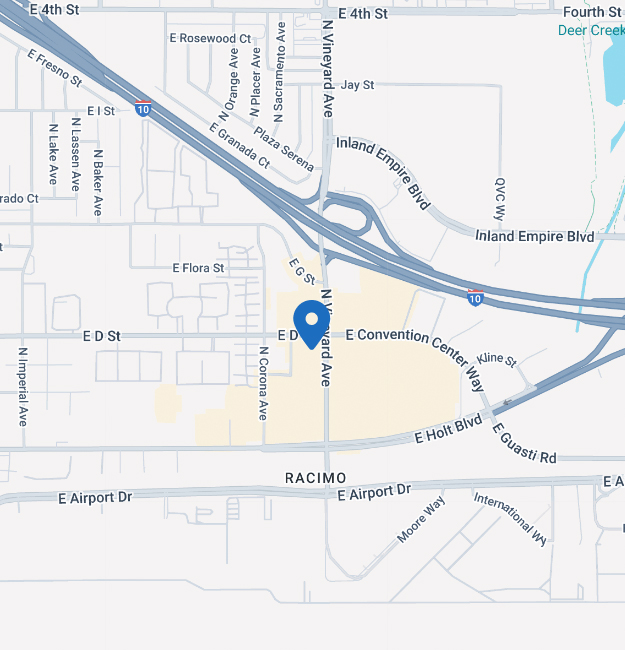
Shaw 3 Law Firm is conveniently located in the heart of Southern California, providing easy access for clients across the region. Our office is situated near major highways and public transportation, making it simple to visit us for your legal needs. We’re here to serve you!
Ontario, CA 91764


